Venture Hunting - How to Series: Choosing the right Traditional Recurve/Longbow Bow

Introduction

Selecting the incorrect gear for your recurve bow can have dire consequences that extend far beyond mere inconvenience. When you mismatch components such as draw weight, arrow spine, or even accessories, you compromise not only your accuracy but also your safety. For example, using arrows with an improper spine can lead to erratic flight paths, causing missed shots and unnecessary suffering for the game you're hunting. This miscalculation can result in lost opportunities, wasted time, and potentially unethical kills. Additionally, over-bowing can lead to fatigue and decreased shooting form, increasing the risk of injury and reducing your overall effectiveness in the field. In the Australian bush or New Zealand's rugged landscapes, navigating with unsuitable gear can lead to frustration and failure, undermining your hard-earned skills and experience. Therefore, investing time and resources into selecting the right equipment is not just advisable—it's essential for ethical hunting and personal safety. Prioritise compatibility and performance to avoid the pitfalls of ill-suited gear.

2. Draw Weight

When selecting a recurve bow, understanding the implications of draw weight is crucial, particularly for beginners. Unlike compound bows, which feature let-off mechanisms that reduce the weight you hold at full draw, recurves require you to maintain the full draw weight — for instance, if your bow's draw weight is 50lbs, you'll be holding 50lbs at full draw. This has immediate implications in the field: a heavier draw weight can lead to fatigue and poor shooting form, particularly when hunting for extended periods or during strenuous stalks. While the legal minimum draw weight for ethical kills on larger species such as Sambar or boar is typically around 45lbs, starting at this weight can be detrimental for newcomers. It’s vital to build what I refer to as "archery fitness" — progressively increasing your draw weight as your strength and technique improve. The trade-off here is clear: if you choose a bow that is too heavy, you risk developing bad habits and potentially injuring your shoulders from overexertion. Conversely, opting for a lighter draw weight may result in insufficient arrow penetration, risking an inhumane kill. Therefore, a good rule of thumb is to select a bow that allows you to comfortably draw and hold for several seconds without straining. Look for a draw weight that enables you to maintain proper form while still meeting the ethical requirements for your chosen game. Always remember, it’s better to start lighter and work your way up than to risk injury and poor performance in the field.

3. Bow Length (AMO) & Bush Maneuverability

When selecting a traditional bow for hunting in the dense environments of the Victorian High Country or the New Zealand bush, the AMO (Archery Manufacturers and Merchants Organisation) length is crucial. For the bush hunter, shorter bows—typically between 58 and 62 inches—are the standard. These lengths provide superior maneuverability, allowing you to navigate tightly packed vegetation and take quick shots at fleeting targets without your limbs snagging on overhead branches. The trade-off is that shorter bows can be "twitchy," requiring greater skill to shoot accurately compared to a longer bow. Therefore, consider the balance between length and maneuverability based on your hunting environment, opting for shorter lengths if navigating thick scrub is your priority.

4. The Hybrid Advantage (Reflex/Deflex)

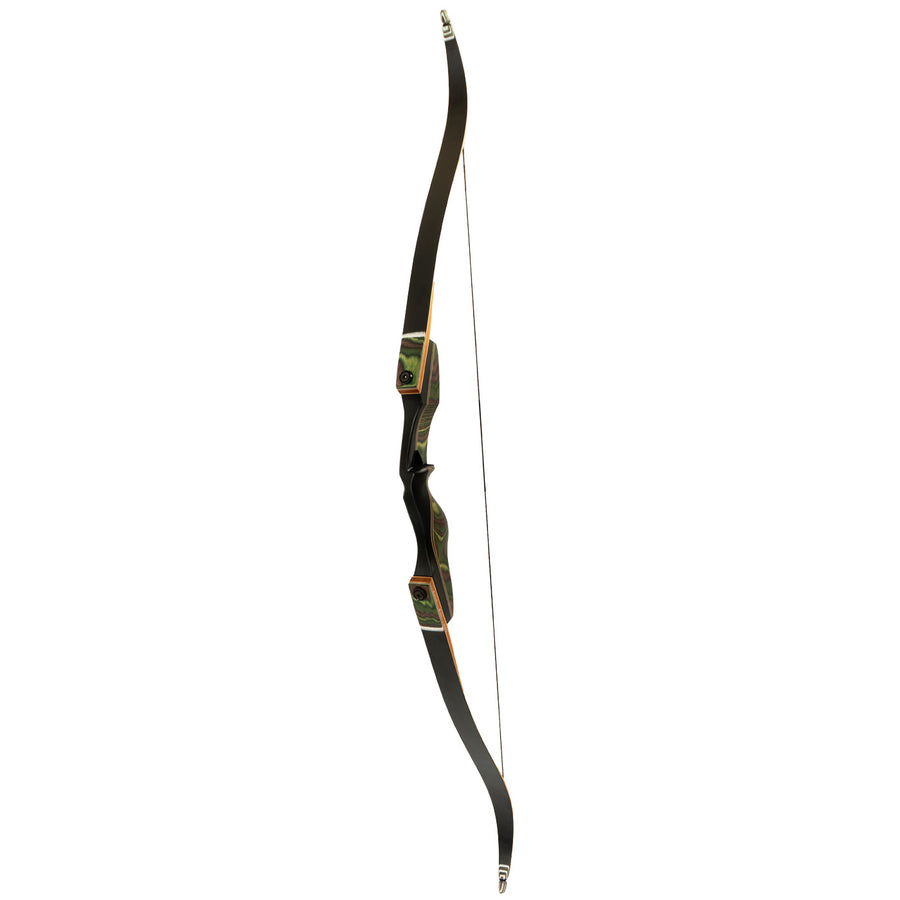
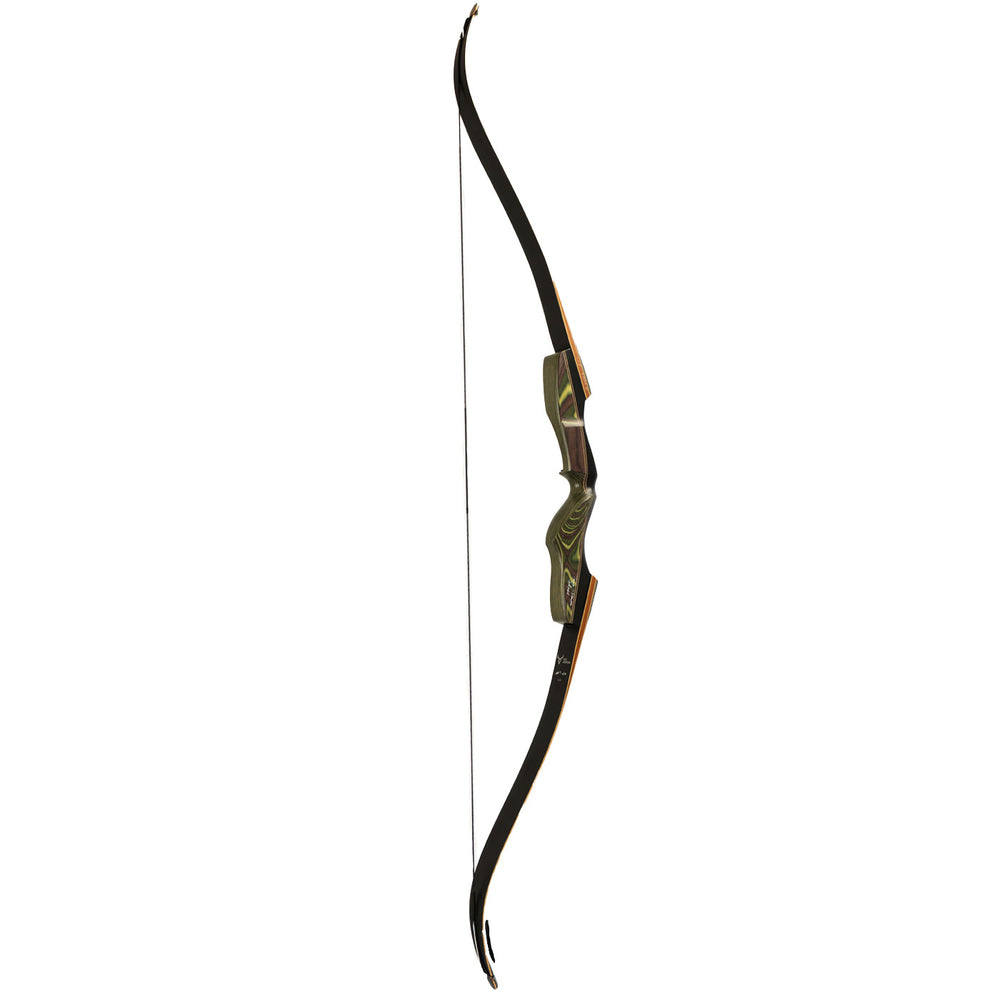
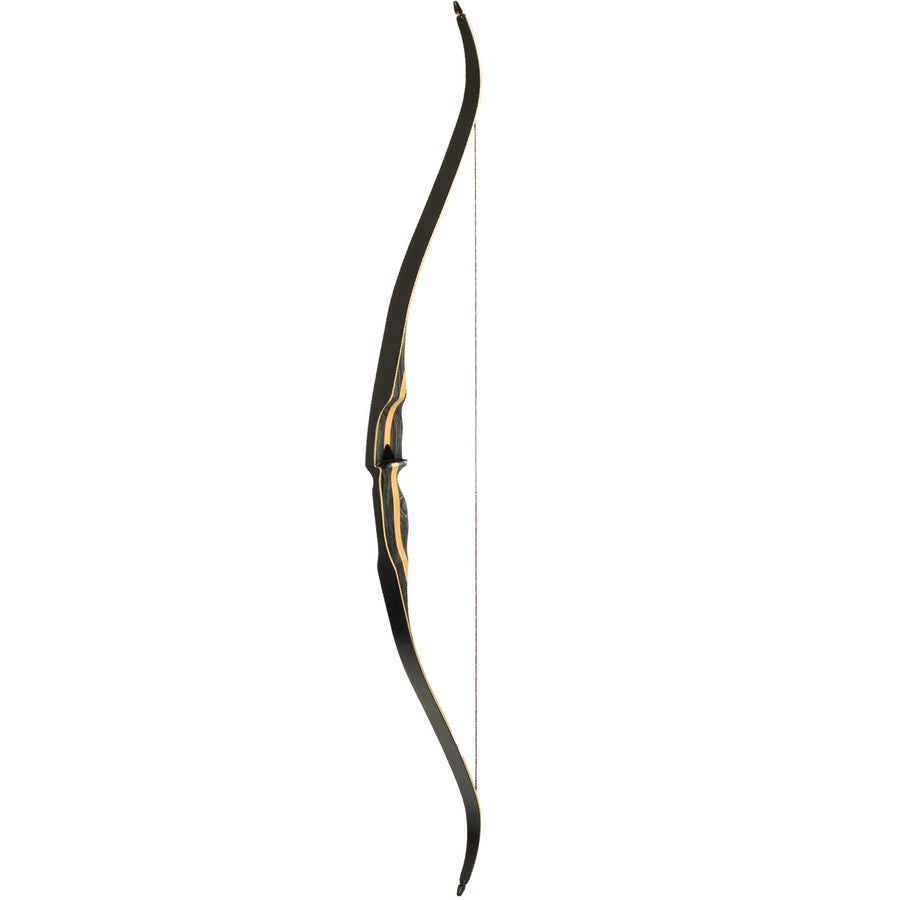
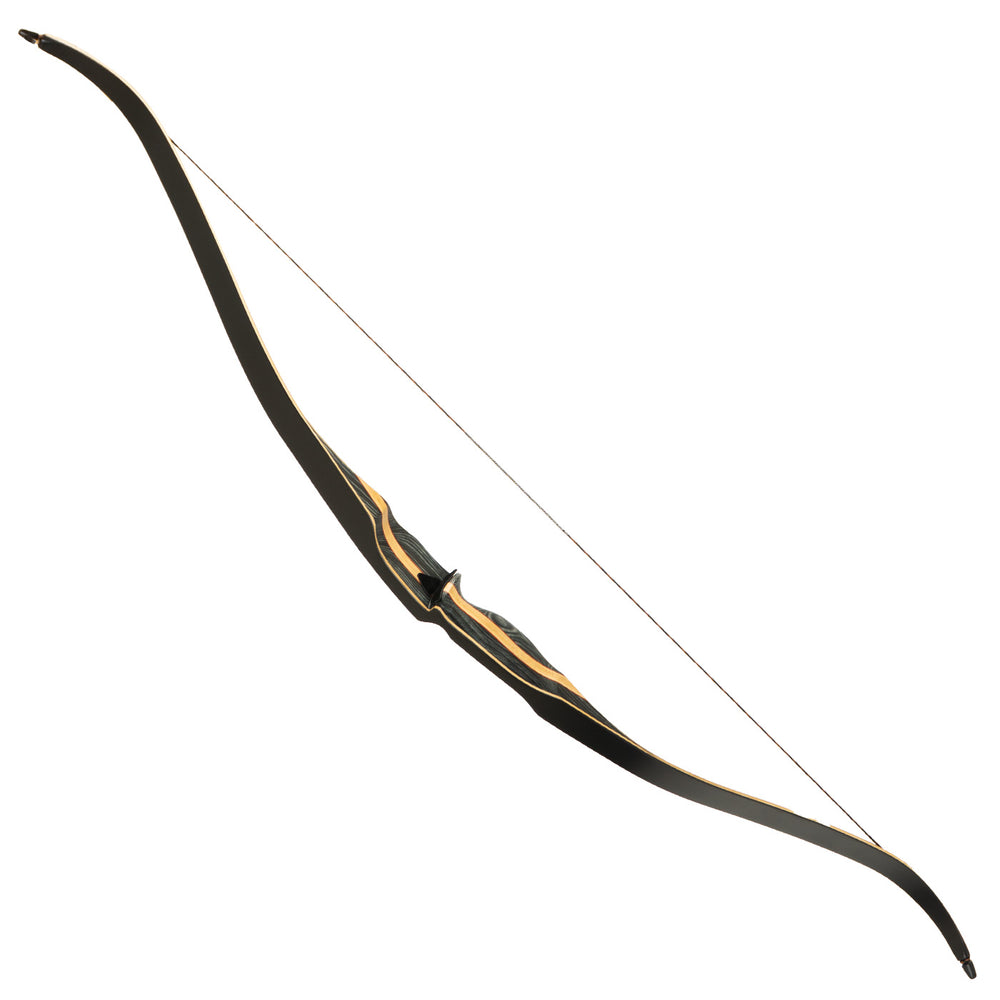
While traditional recurve bows are the standard for many, modern hunters are increasingly turning towards the "Hybrid" or Reflex/Deflex Longbow design to gain a tactical edge in the field. These bows effectively represent the best of both worlds, seamlessly blending the inherent stability and intuitive pointability of a traditional longbow with the impressive speed and compact size of a recurve. A Hybrid Longbow features limbs that curve gently away from the shooter (Reflex) and then back towards them (Deflex). This sophisticated geometry virtually eliminates the jarring "hand shock" often felt in smaller bows while maintaining high arrow speeds, which is a critical factor when trying to achieve flat trajectories in varied terrain. For the hunter navigating tight scrub in the Victorian High Country who demands the smooth, stacking-free draw cycle of a longbow but needs the compact power of a recurve to manoeuvre through dense undergrowth, a Hybrid Reflex/Deflex Longbow is often the superior choice. The trade-off is often purely aesthetic or preference-based, as they look different from standard recurves, but performance-wise, they offer a unique shooting experience that is quiet, shock-free, and deadly accurate. If you want a bow that feels "alive" in the hand without the harsh vibration, exploring a Hybrid model is a step towards a more refined hunting setup.

5. Takedown Systems: ILF vs. Proprietary Bolt-Down

When considering the choice between takedown systems, it is essential to weigh the versatility of the ILF (International Limb Fitting) against the robust security of the proprietary Bolt-Down system. While ILF bows are praised for their ability to mix and match limbs from various brands, offering a "tinkerer's dream," they often lack the silent, rock-solid integrity required for serious hunting applications. In contrast, proprietary Bolt-Down systems, found on many high-end traditional hunting bows, feature a dedicated limb pocket where a heavy-duty bolt secures the limb directly to the riser with immense pressure. This creates an incredibly tight tolerance with zero "play," resulting in a bow that is structurally quieter and more vibration-free than many ILF setups. In the silence of the Australian bush, where a rattling limb pocket can spook a Sambar at 50 yards, the "set and forget" security of a bolt-down system provides unmatched peace of mind. The trade-off here is compatibility; with a bolt-down bow, you must stick to the manufacturer's specific limbs. However, for the dedicated hunter, this is a small price to pay for a tool that offers superior durability and stealth. If your priority is a bombproof, rattle-free hunting tool that can handle the rugged abuse of a multi-day backpack hunt, do not overlook the robust simplicity of a high-quality bolt-down bow.

6. Riser Material: Engineered Woods vs. Aluminum

When choosing between riser materials, the debate has traditionally been between the natural warmth of wood and the stability of machined aluminum. However, the introduction of modern "Engineered Woods" and advanced composite materials has completely changed the landscape. While raw, untreated timber can sometimes struggle against the fluctuating humidity of Northern Queensland or the damp cold of New Zealand, these modern materials are created by compressing layers of wood, synthetic fibers, or resins under immense heat and pressure. The result is a riser that possesses the incredible density, structural stability, and weather resistance of metal, but retains the aesthetic beauty, warmth, and noise-dampening properties of traditional wood. Unlike a cold metal riser that can freeze your hand on a frosty winter morning in the highlands, a composite or engineered wood riser feels warm and natural to the touch, yet it remains impervious to moisture and is highly resistant to warping or twisting over time. The trade-off is practically non-existent; you get the durability of modern engineering with the soul of a traditional bow. For the hunter who refuses to compromise on durability but wants a bow that looks the part, looking for risers constructed from these high-density composites offers the ultimate balance of aesthetics and field performance.

7. Limb Core Materials (Bamboo & Bakelite)

When digging into the specs of a bow, the limb core material is critical for performance and longevity. While standard maple is common, premium traditional hunting bows often utilise cores made from Bamboo, Osage, Carbon, or high-tech Composites. Bamboo is lighter and "snappier" than maple, offering a faster recovery speed. However, the biggest advantage of Carbon and Composite cores is durability. Natural wood can suffer from "limb twist" if left strung for long periods or exposed to extreme heat—like being left in a hot car in North Queensland. Carbon and composite cores are structurally superior in these harsh conditions, maintaining their straightness and integrity where standard wood might fail. If you hunt in extreme heat or rough conditions, prioritizing these durable core materials is a smart investment.

8. Brace Height: The Forgiveness Factor

One often overlooked but critically important specification when selecting a hunting bow is Brace Height—the distance between the string and the deepest part of the grip when the bow is at rest. In a hunting scenario, a "generous" brace height (typically between 7.5 inches and 8.25 inches) is a massive advantage that should not be underestimated. A higher brace height means the arrow spends less time attached to the string during the shot cycle. This effectively reduces the window of time for human error—such as hand torque, a slight flinch, or poor form due to an awkward shooting position—to affect the arrow's flight. While a lower brace height might offer slightly more raw speed because the arrow is pushed for longer, it is far less forgiving of the imperfections that inevitably occur in the field. In the adrenaline-filled moment of a hunt, where your footing might be uneven on a rocky slope or your heart rate is skyrocketing, a bow with a forgiving 7.5"+ brace height will consistently put arrows on target where a "speed bow" might drift wide. The trade-off is a few feet per second in velocity, but accuracy always trumps speed. Prioritise a generous brace height for a "field accurate" setup that you can trust when it matters most.

9. Draw Length & Stacking

When selecting a recurve bow, understanding draw length and the concept of "stacking" is crucial for optimal performance in the field. As you draw a recurve bow, the resistance increases exponentially; this characteristic can lead to what's known as "stacking." For hunters with longer arms—typically those with a draw length of 29 inches or more—using a shorter bow can result in hitting a wall of resistance before reaching your anchor point. This premature resistance affects your ability to hold steady, potentially leading to inaccuracy during the critical moment of release. The trade-off here is significant: while a shorter bow may be lighter and easier to manoeuvre in dense bushland, it can compromise your shooting form and precision. Conversely, opting for a longer bow, around 62 to 64 inches, accommodates longer draw lengths and mitigates stacking, allowing for a smoother draw and more consistent accuracy. This consideration is particularly important for Australian hunters who may find themselves in varied terrains, from open plains to thick scrub. In summary, if your draw length exceeds 29 inches, prioritise a longer recurve bow to enhance your shooting experience and improve your chances of a successful hunt.

10. Noise & Vibration Damping

When selecting a recurve bow for hunting, noise and vibration damping are crucial features to consider. While recurves are generally quieter than their compound counterparts, they still produce a distinct "thump" upon release that can alert game to your presence. The implementation of string silencers becomes essential in minimising this noise. A loud bow can lead to the dreaded "jumped string" scenario, where a deer anticipates the shot and ducks, resulting in a missed opportunity. However, it’s important to acknowledge the trade-off involved; while these silencers effectively reduce sound, they can slightly decrease arrow speed by 1-2 feet per second. This minor reduction may seem negligible, but in the field, every bit of speed can count, especially at longer distances. Furthermore, choosing a bow made from dense materials naturally helps absorb vibration better than lighter woods, giving you a head start on silence. Look for bows that either come pre-equipped with silencers or have the capability to easily add them, ensuring that you can maintain stealth during your pursuit.

11. String Compatibility (Fast Flight & Reinforced Tips)

To get the most out of a traditional bow, you ideally want to run modern, low-stretch strings like Fast Flight, which can add significant arrow speed. However, these strings impart a massive shock to the limb tips. You must ensure your bow is built for this. The key indicator is Reinforced Limb Tips. These reinforcements can be made from modern composites or tough natural materials like Antler or Hardwood. As long as the tip is reinforced with a material harder than the limb wood itself, it allows the bow to withstand the high-impact shock of modern strings without splitting. Always check the manufacturer's specs to ensure the bow is "Fast Flight Compatible" before upgrading your string.

12. Arrow Spine Matching

Selecting the correct arrow spine is critical for achieving accuracy with your recurve bow. The "Archer's Paradox" describes the phenomenon where an arrow bends around the riser when shot, and if the spine stiffness isn't properly matched to your bow's draw weight, you'll struggle to achieve consistent grouping with broadheads. For instance, a 45lb recurve requires a different arrow spine than a 45lb compound bow due to the unique dynamics of each bow's limb design and power curve. If the spine is too stiff, the arrow will fly erratically, while an arrow that's too weak will result in exaggerated flex, leading to poor accuracy. This mismatch not only affects your shot placement but can also damage your arrows over time. It's essential to factor in the weight of your arrows, the type of fletching, and even the length when determining the right spine. Moreover, you must account for the type of broadhead you intend to use, as heavier heads can necessitate a stiffer spine to maintain stability. The trade-off here is clear: investing in a selection of test arrows tailored to your bow specifications may seem costly upfront, but it's a small price to pay for the accuracy and confidence you'll gain in the field. When setting up your recurve, be prepared to budget for various test arrows to find the perfect spine match. Look for arrows that fall within the recommended spine range for your bow's draw weight, and consider using a spine chart as a reference. Prioritising arrow spine matching will ensure that you not only enjoy a more enjoyable shooting experience but also enhance your chances of a successful hunt in the diverse landscapes of Australia and New Zealand.

Summary

In the grand tapestry of hunting, understanding the nuances of your traditional bow can mean the difference between a successful outing and a frustrating day in the field. Whether it’s the dense stability of an engineered wood riser, the secure silence of a bolt-down system, or the rugged simplicity of shooting off the shelf, each feature plays a pivotal role in your overall experience. By selecting gear that balances traditional craftsmanship with modern durable materials like carbon and composites, you can fine-tune your setup to harmonize with your unique hunting style and the diverse terrains of Australia and New Zealand. So, as you gear up for your next adventure, remember to consider these essential features carefully. And if you need any more help or advice, don’t hesitate to contact our Venture Hunting & Outdoors Store—our team of experts is here to ensure you hit the mark every time.


Leave a comment

Please note, comments must be approved before they are published

This site is protected by hCaptcha and the hCaptcha Privacy Policy and Terms of Service apply.